
How to Sharpen Clipper Blades at Home — 3 Methods That Actually Work (2026)
Step-by-step clipper blade sharpening guide: flat lapping, whetstone, and honing stone methods with photos. Test sharpness in 10 seconds. Works on Wahl, Andis & Oster blades. Free checklist inside.
Clipper blade sharpening is an essential skill for every professional barber and groomer. Dull clipper blades pull hair, generate excess heat, and leave uneven cuts. Whether you're a barber running a busy shop, a pet groomer handling 8+ dogs a day, or a livestock handler shearing season after season, proper clipper blades sharpening directly affects your cut quality, client comfort, and working speed.
This complete clipper blade sharpening guide covers the two main methods (flat lapping and whetstone), step-by-step instructions, how to test blade sharpness, and — critically — when sharpening is no longer worth it and replacement is the smarter move.
Signs Your Clipper Blades Need Attention
Before reaching for sharpening tools, confirm the blade is actually dull and not just dirty or misaligned:
- Hair pulling or snagging — the blade catches instead of cutting cleanly
- Excessive heat buildup — dull teeth create more friction, heating the blade faster
- Uneven cutting — lines or tracks left in the hair or coat
- Increased noise — a grinding or rattling sound during cutting
- Need for multiple passes — having to go over the same area repeatedly
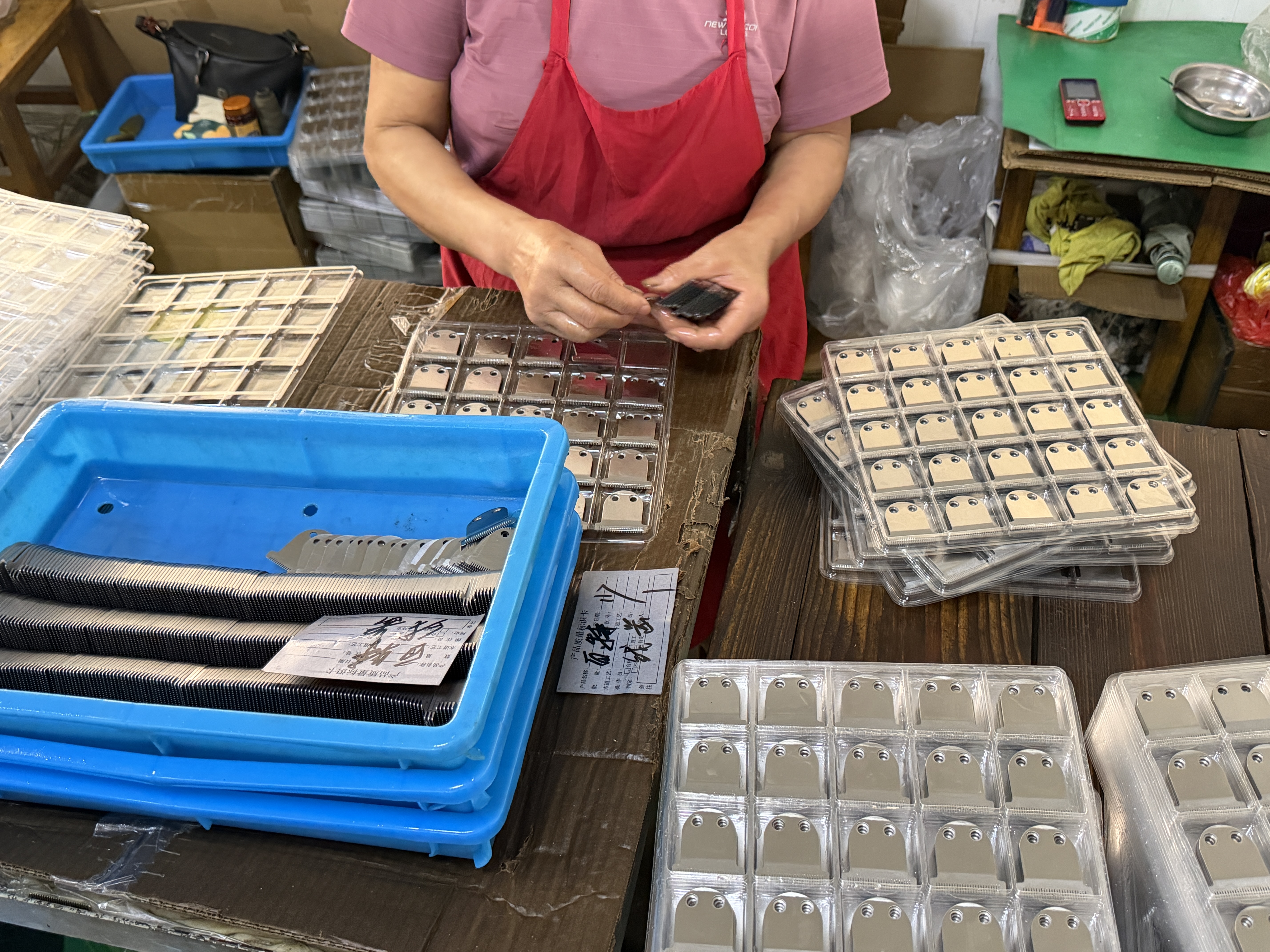
Method 1: Flat Lapping (Surface Grinding)
Flat lapping is the industry-standard technique used by professional blade sharpening services. It uses a flat, rotating disk coated with abrasive compound to restore the cutting edges of both the top (cutter) and bottom (comb) blade.
Equipment needed
- Flat lapping disk (14" aluminum, cast iron, or glass) with adjustable speed
- Abrasive compound: coarse (for damaged blades) and fine (for finishing)
- Blade holder / guide with proper angle support
- Cleaning solution and light blade oil
- Magnifying loupe or 10x lens for inspection
Step-by-step process
- Disassemble: Separate the cutter (moving blade) from the comb (stationary blade). Note the spring tension — you'll need to reset it after sharpening.
- Clean: Remove all hair, debris, and old oil with blade wash or ultrasonic cleaner. Dry completely.
- Inspect: Use a magnifying loupe to check tooth tips. Look for chips, rounding, or uneven wear. If teeth are chipped below the cutting edge, the blade needs professional re-cutting or replacement.
- Lap the comb (bottom blade): Apply fine compound to the disk. Place the comb flat on the disk using the blade holder. Use light, even pressure. The goal is to restore a flat, uniform surface with sharp tooth tips. Typically 15-30 seconds at low speed.
- Lap the cutter (top blade): The cutter has a hollow-ground or flat contact surface. Lap this surface using the same technique. The cutter requires less material removal than the comb.
- Clean and inspect: Remove all abrasive residue. Under magnification, tooth tips should show a clean, bright edge with no rounding or burrs.
- Reassemble and test: Reinstall the cutter on the comb. Adjust spring tension. Test on a small patch of hair or fur — the blade should cut cleanly without pulling.
Method 2: Sharpening Stone (Manual)
For quick touch-ups between professional sharpening sessions, a fine-grit whetstone or ceramic honing stone can restore some cutting performance. This method won't produce the same results as flat lapping but can extend the service interval.
- Lay a fine-grit stone (4000-8000 grit) on a stable, flat surface.
- Hold the blade flat against the stone — maintain full contact across the cutting surface.
- Push the blade away from you in smooth, even strokes. Light pressure, 10-15 strokes.
- Flip the blade and repeat on the other side if applicable.
- Clean, oil, and test.
Important: This only works for minor dulling. If teeth are visibly rounded or chipped, manual honing won't restore them — you need flat lapping or replacement.
How to Test Blade Sharpness
After sharpening, use these tests before putting the blade back into service:
- Visual test: Under magnification, tooth tips should appear as thin, bright lines — not rounded or dull gray.
- Paper test: A sharp blade should cleanly cut a single sheet of tissue paper with minimal resistance.
- Hair test: Run the blade through a small section of clean, dry hair. It should cut in one pass without pulling.
- Heat test: Run the clipper for 2 minutes on air. Touch the blade — it should be warm but not hot. Excessive heat indicates remaining dullness or improper tension.
How Often Should You Sharpen?
| Use Case | Sharpening Interval | Expected Blade Lifespan |
|---|---|---|
| Busy barbershop (8+ clients/day) | Every 4-6 weeks | 3-5 sharpenings before replacement |
| Pet groomer (5-8 dogs/day) | Every 3-4 weeks | 3-4 sharpenings |
| Home use (weekly) | Every 3-6 months | 5+ sharpenings |
| Livestock (shearing season) | Daily during season | 1 season per set |
When to Stop Sharpening and Replace
Sharpening extends blade life, but every blade has a finite number of cycles. Replace your blades when:
- Teeth are visibly shorter — repeated lapping removes material, eventually making teeth too short to cut effectively
- Chips or cracks — damaged teeth can't be restored by sharpening and may cause injury
- Warping — if the blade no longer sits flat on the lapping disk, the cutting geometry is compromised
- Poor performance after sharpening — if a freshly sharpened blade still pulls or heats up, it's reached end-of-life
- Cost math — professional sharpening costs $5-15 per blade. If you've sharpened a blade 4+ times, replacement is usually more cost-effective than another sharpening cycle
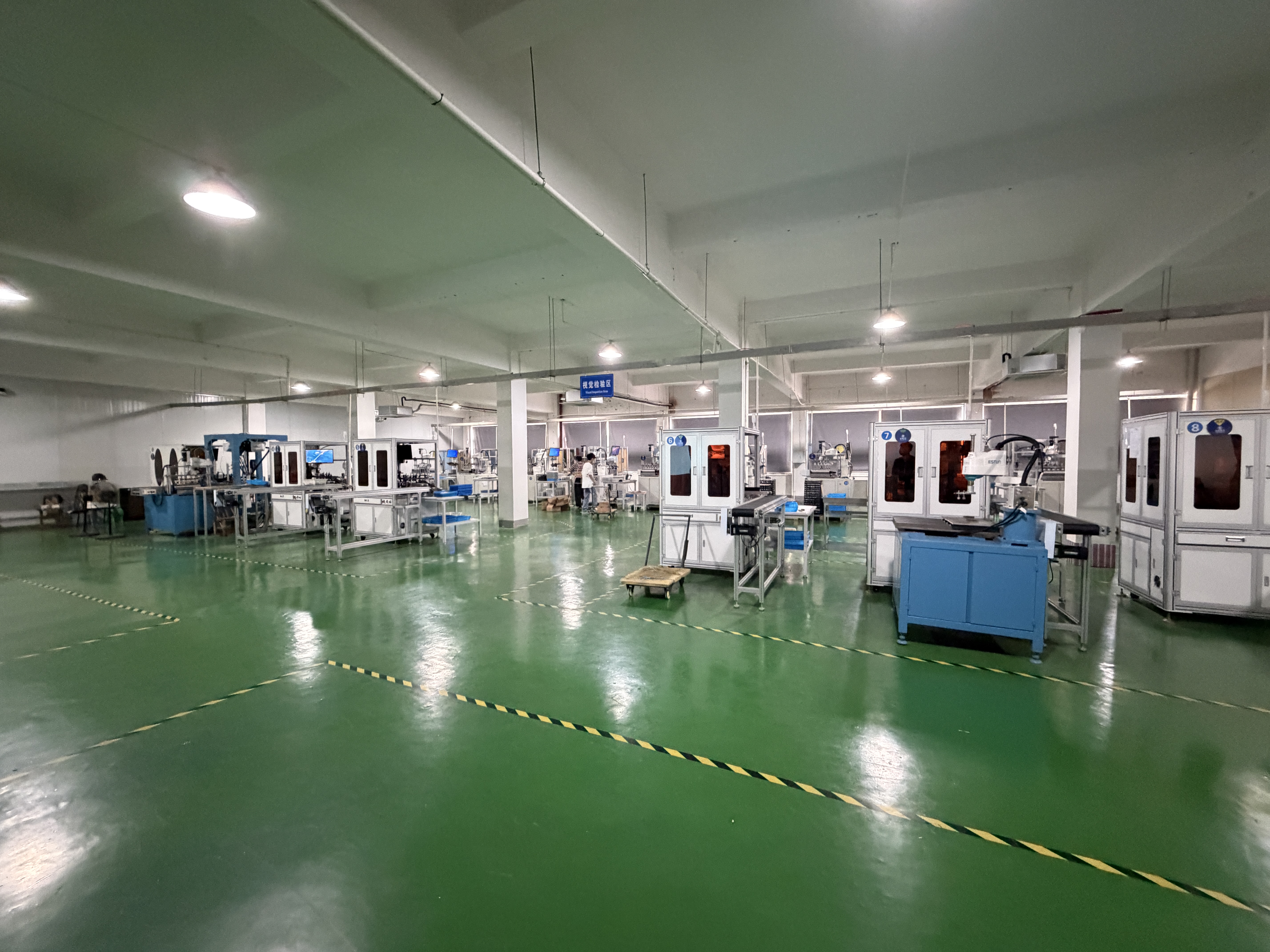
At SUMTHIN, we manufacture replacement clipper blades using MIM powder metallurgy (HRC 60-62 hardness) that outlast standard stamped blades by 2-3x between sharpenings. Our ceramic moving blades generate 75% less friction heat, extending intervals even further. Browse replacement blades, see why pros trust our blade manufacturing, or request wholesale pricing.
Frequently Asked Questions
Can I sharpen ceramic clipper blades?
Ceramic blades require diamond-grit lapping disks — standard abrasive compounds won't work. Most professionals send ceramic blades to specialized sharpening services. However, ceramic edges last 3-5x longer than steel before needing sharpening. Read our ceramic vs steel comparison for the full cost analysis.
Do self-sharpening blades really work?
Some clipper manufacturers advertise "self-sharpening" blades. In practice, this means the cutter and comb are made from different hardness materials, so they maintain alignment longer — but they still dull over time and will eventually need sharpening or replacement.
Is it worth buying a sharpening machine for my shop?
If you sharpen more than 10 blades per month, a dedicated lapping machine ($300-800) pays for itself within 6-12 months compared to outsourcing. For lower volumes, a professional sharpening service is more cost-effective.
How much does clipper blade sharpening cost?
Professional clipper blade sharpening typically costs $5-15 per blade depending on blade type and your location. A5 detachable blades and standard taper blades are on the lower end ($5-8), while specialty blades like wide grooming blades or ceramic blades cost $10-15. Many sharpening services offer bulk discounts for 10+ blades.
Can I sharpen clipper blades at home without a lapping machine?
Yes, for minor touch-ups you can use a fine-grit whetstone (4000-8000 grit) or a ceramic honing stone. Lay the blade flat, push away from you with light pressure for 10-15 strokes, then clean and oil. This extends time between professional sharpenings but will not fully restore a heavily dulled blade. For best results, combine home honing with professional flat lapping every 4-6 weeks.
Related Guides
- Clipper Blade Size Chart — All blade numbers, mm lengths, and recommended uses.
- Blade Compatibility Table — Find which blades fit your specific clipper brand and model.
- Ceramic vs Steel Clipper Blades — Compare materials to decide when replacement is smarter than sharpening.
- Shop A5 Replacement Blades — MIM powder metallurgy blades in sizes #3F through #40.