
Metal Injection Molding (MIM) Parts
Custom precision components from our in-house powdered metal manufacturing facility. From prototype to mass production — 2 million parts per month.
What is Metal Injection Molding?
MIM (Metal Injection Molding) — also known as powdered metal manufacturing — is an advanced process that combines the shape-making capability of plastic injection molding with the material properties of powder metallurgy. As experienced powdered metal manufacturers, we use this technology to produce complex precision components at scale. It produces complex, high-density metal parts that are impossible or prohibitively expensive to make with traditional machining.
Metal powder + polymer binder mixed into injectable feedstock
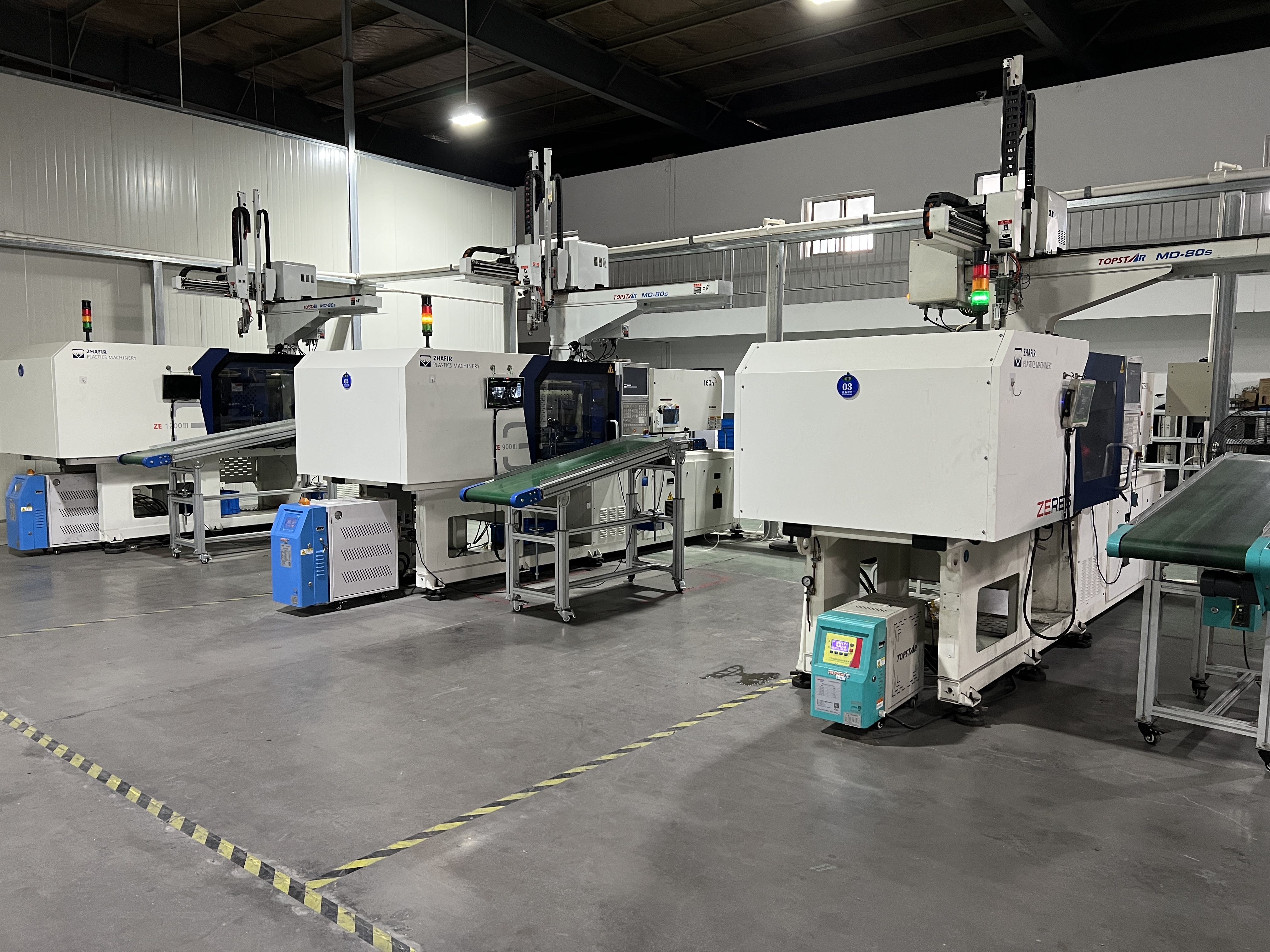
Injection molded into precision molds — complex geometries in one shot
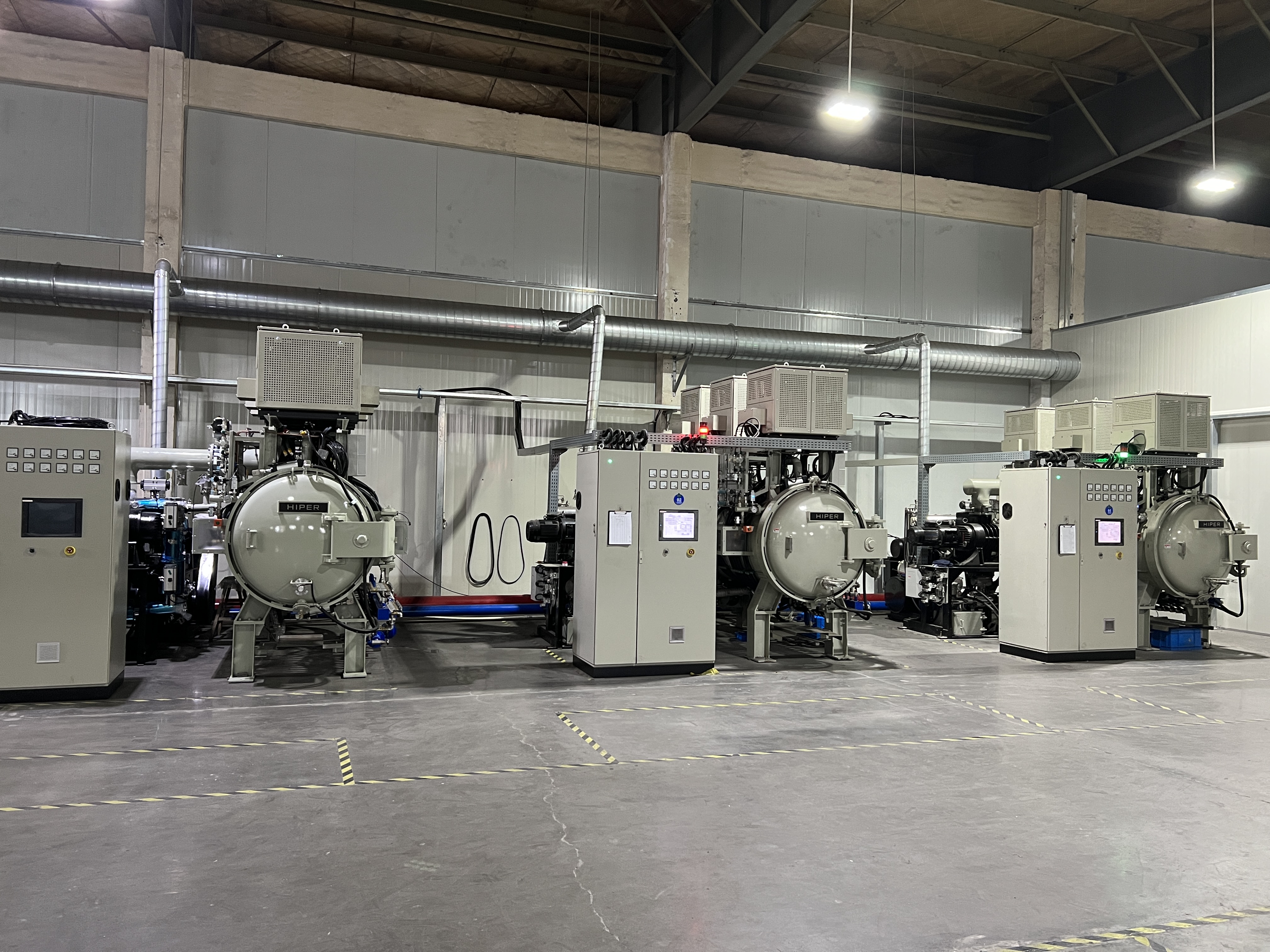
Debinding + sintering at 1,300°C+ to achieve 96-99% theoretical density
40-60% cheaper than CNC at production volumes — with comparable material properties
Want to see MIM in action? Read our detailed guide:How Clipper Blades Are Made: MIM Process [18 Steps]
MIM Capabilities
Complete specifications for our in-house MIM powder metallurgy facility.
| Materials | 316L SS, 17-4PH SS, Fe-2Ni, Fe-8Ni, Low Alloy Steel, Titanium Alloys |
| Part Weight Range | 0.1g - 200g |
| Dimensional Tolerance | ±0.3% - ±0.5% (as-sintered) |
| Surface Finish | Ra 0.8-1.6 μm (as-sintered); mirror polish, bead blast, brushed available |
| Achievable Hardness | HRC 20-65 (controllable via heat treatment) |
| Sintered Density | 96-99% theoretical density |
| Monthly Capacity | 2,000,000+ parts |
| Minimum Order | 500 pieces |
| Prototype Lead Time | 15-20 business days |
| Surface Treatments | DLC nano coating, PVD, electroplating, polishing, bead blasting |
| Certifications | ISO 9001, ISO 14001, SGS, National High-Tech Enterprise |
| Experience | 20+ years in powder metallurgy manufacturing |
Industries We Serve
Our MIM expertise extends far beyond blades. We manufacture precision components for six major industries.
Automotive
Gears, turbocharger vanes, fuel injector nozzles, lock cylinders, oil pump rotors, sensor housings, shift lever components
Medical Devices
Surgical instruments, orthodontic brackets, endoscopic tools, bone screws, dental implant abutments, biopsy forceps
Electronics
SIM card trays, USB-C connectors, heat sinks, RF shielding cans, fiber optic ferrules, camera module brackets
Tools & Hardware
Lock cylinders, padlock shackles, power tool gears, ratchet mechanisms, wrench heads, hinge components, cam followers
Consumer Products
Watch cases, buckles, eyeglass hinges, zipper pulls, jewelry clasps, luxury pen clips, small appliance components
Grooming & Blades
Clipper blades, trimmer blades, razor heads, shearing combs — our core business. Blade-tested MIM quality applied to every industry.
See detailed MIM applications across all industries:50+ MIM Parts Across 6 Industries
MIM vs Other Manufacturing Methods
How Metal Injection Molding compares to alternative manufacturing processes for complex metal parts.
| Method | Geometric Complexity | Unit Cost (10K+ pcs) | Tolerance | Surface Quality |
|---|---|---|---|---|
| MIMWe offer this | ★★★★★ | ★★★★☆ | ±0.3% | Excellent |
| CNC Machining | ★★★★★ | ★★☆☆☆ | ±0.01mm | Excellent |
| Investment Casting | ★★★★☆ | ★★★☆☆ | ±0.5% | Good |
| Die Casting | ★★★☆☆ | ★★★★★ | ±0.1mm | Good |
| Stamping | ★★☆☆☆ | ★★★★★ | ±0.05mm | Fair |
40-60%
Lower cost vs CNC at 10K+ volume
96-99%
Sintered density (near-wrought)
Net-shape
Minimal secondary machining needed
Our MIM Process
Five stages from metal powder to finished precision component — all in-house.
Feedstock Preparation
Fine metal powder (2-20μm) mixed with polymer binder at precise ratios. Material selected for your application requirements.
Injection Molding
Feedstock injected into precision steel molds at high pressure. Complex geometries achieved in a single shot.
Debinding
Polymer binder removed through solvent or thermal process. Part retains shape as a "brown part" with ~40% porosity.
Sintering
Parts heated to 1,300°C+ in vacuum/atmosphere furnaces. Achieves 96-99% density with controlled shrinkage.
Finishing
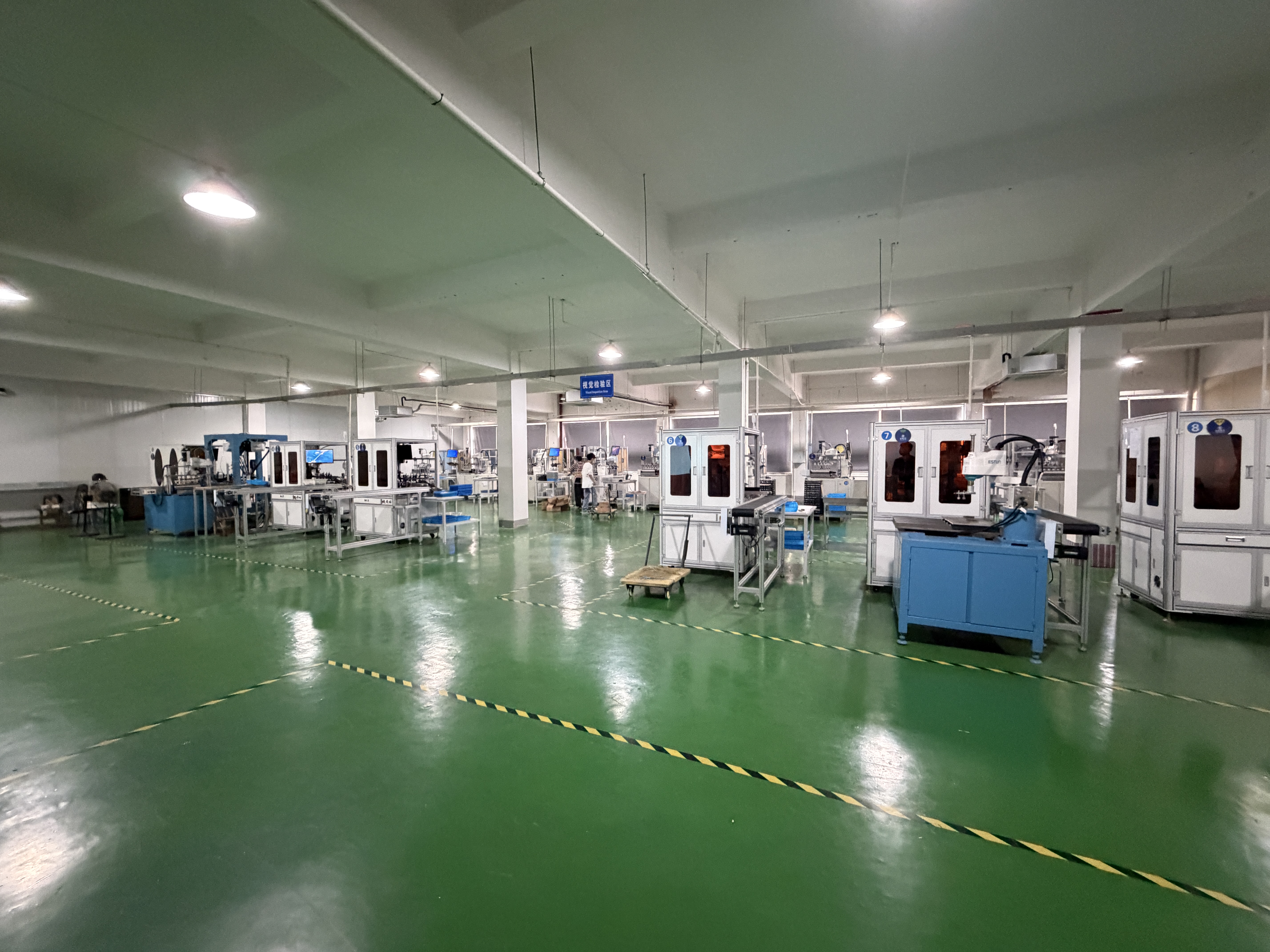
Secondary operations as needed: CNC machining, DLC coating, polishing, bead blasting, plating, heat treatment.
Why Choose SUMTHIN for MIM
What sets our MIM facility apart from generic powder metallurgy suppliers.
years in production
20+ Years MIM Experience
We have been manufacturing MIM parts since 2004. Our clipper blade business produces over 250,000 MIM blades per day — that volume of experience translates to process mastery, yield optimization, and predictable quality for every part we make.
vertically integrated
In-House Everything
From feedstock preparation to sintering to finishing — our entire MIM process runs under one roof. No outsourced steps, no quality gaps between vendors. You deal with one team from prototype to mass production.
max achievable hardness
Blade-Tested Quality Standards
Clipper blades demand extreme precision: edge geometry within microns, hardness uniformity at HRC 60-62, and zero tolerance for porosity at the cutting edge. These quality standards — honed on millions of blades — are applied to every MIM part we produce, regardless of industry.
certifications
Certified & Audited
ISO 9001 quality management, ISO 14001 environmental management, SGS-verified processes, and National High-Tech Enterprise designation from the Chinese government. Our facility is audit-ready for any customer or regulatory requirement.
Send Us Your Drawing — Free MIM Feasibility Analysis
Share your part design (CAD, drawing, or even a sketch) and our MIM engineering team will assess feasibility, recommend materials, and provide a no-obligation quote within 48 hours.